Essential emergency preparedness supplies include at least a three day stock of water and non-perishable food, a battery powered radio, and comprehensive first aid kits. Utah homeowners should also prioritize manual can openers, flashlights, and seasonal gear such as warm blankets to address regional weather threats. Maintaining a well organized kit in an accessible location ensures household safety and readiness during unexpected disasters.
Most Utah homeowners live with the quiet anxiety of the Wasatch Fault or the sudden bite of a mid-winter power failure. It is one thing to acknowledge these risks; however, it is entirely another to possess the tactical readiness required to protect your household when the grid goes dark. Effective preparedness is not about chaotic accumulation. It is about a calculated strategy designed for our unique climate and geological landscape. In this guide, we provide a definitive checklist of the ten essential supplies every starter kit needs. We will also examine specific protocols for surviving deep freezes, seismic activity, and long-term maintenance. By the end of this article, you will have a professional framework to build a robust home defense system that ensures your family remains safe, warm, and self-sufficient through any local emergency.
Why Utah Homeowners Need a Tailored Emergency Preparedness Strategy
Living in Nephi or the surrounding Juab County landscape requires a specific mindset regarding household readiness. While national guides often focus on coastal hurricanes or broad flooding, Utah homeowners face a distinct set of environmental challenges that demand local expertise. The Wasatch Fault represents a significant seismic risk, but the more frequent disruptions come from our harsh winters. Heavy snow and ice regularly lead to power outages, while the region’s aggressive freeze and thaw cycles put immense pressure on local plumbing systems.
Relying on a curated retail marketplace for your home essentials ensures you are focusing on high-quality, relevant tools rather than generic kits. In rural or semi-rural Utah counties, self-reliance is not a reaction to fear; it is a practical strategy for maintaining safety and comfort. When a winter storm isolates a neighborhood, having the right emergency preparedness supplies allows a family to manage their own needs until services are restored.
Proper planning ensures that a utility interruption remains a manageable inconvenience rather than a household crisis. By tailoring your strategy to the local climate and geological reality, you prioritize the specific items that will actually be used when the temperature drops or the ground moves. This proactive approach focuses on utility and readiness, providing peace of mind for families throughout the Intermountain West.
The 10 Essential Emergency Preparedness Supplies for Your Starter Kit

Building a starter kit requires a focus on high-utility items that offer the greatest return on investment during a crisis. Rather than purchasing pre-packaged bags that often contain low-quality filler, focus on these ten foundational items to ensure your household remains functional during an emergency.
Water: Store at least one gallon per person per day. In Utah’s arid environment, dehydration occurs rapidly, particularly during high-stress situations or when indoor heating systems fail.
Non-perishable Food: Prioritize high-calorie, low-prep options such as protein bars, canned meats, and nut butters that do not require precious water for preparation.
NOAA Weather Radio: Cellular networks in rural Juab County can become congested or fail during major storms. A battery-powered or hand-crank radio provides a reliable link to emergency broadcasts.
High-lumen Flashlights: Dedicated LED flashlights provide superior illumination compared to smartphone lights, which is essential for navigating a dark home safely during extended winter outages.
First Aid Kit: Ensure your kit includes trauma dressings and antiseptic, allowing you to manage minor injuries without immediate professional medical assistance.
Extra Batteries: Follow Be Ready Utah guidelines by storing batteries in their original packaging. This prevents them from discharging or leaking before they are needed.
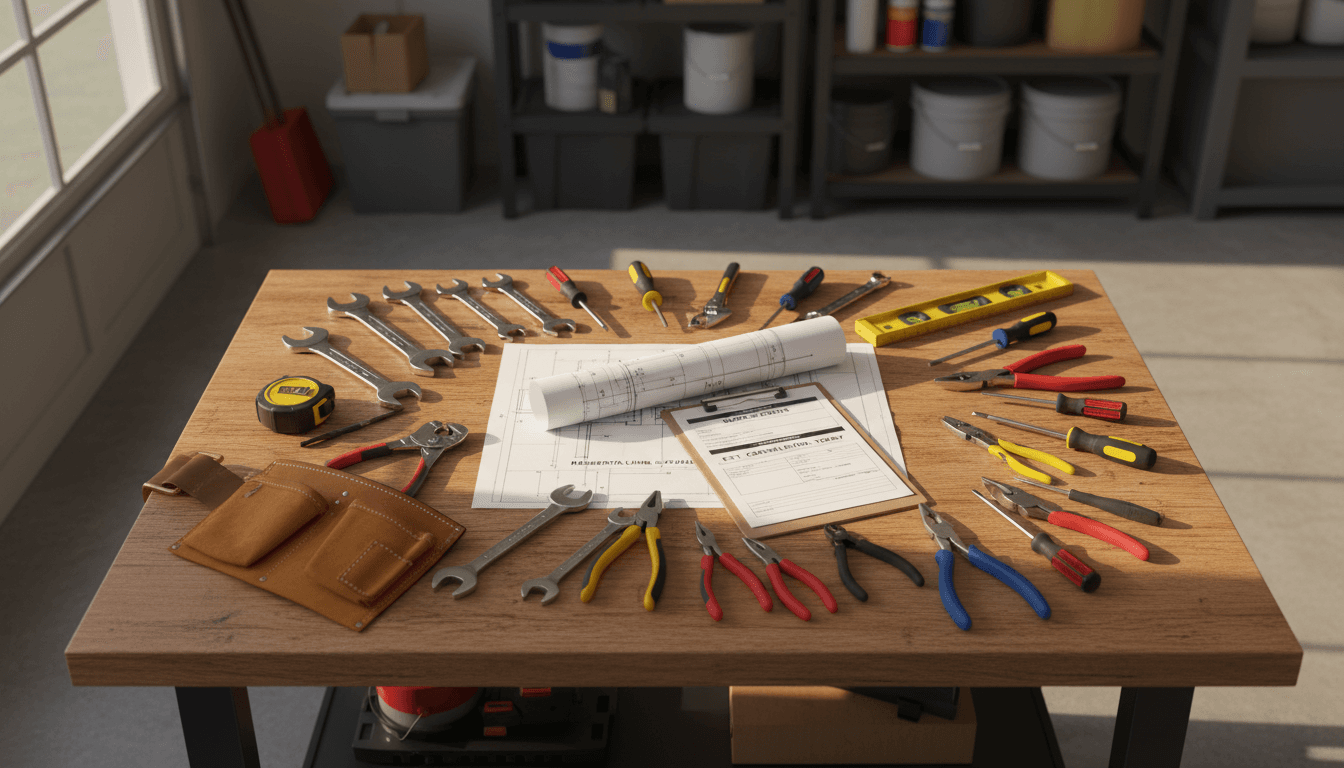
Multi-purpose Tool or Utility Wrench: This is a critical tool for shutting off gas and water lines after a seismic event or a severe pipe burst.
Manual Can Opener: Many long-term food supplies require a sturdy, non-electric tool to open; a failure here can make your food stores inaccessible.
Whistle: In heavy snow or low-visibility conditions, a whistle is the most effective way to signal for help without exhausting your voice.
Local Paper Maps: If GPS services are interrupted, physical maps of Nephi and the surrounding mountain passes are vital for safe travel.
Securing these emergency preparedness supplies establishes a baseline of safety. Integrating these home essentials into your storage plan ensures you are not caught off guard. By sourcing these items through a curated retail marketplace, you can verify the quality and reliability of each tool before a crisis occurs.
Surviving Utah Winter Power Outages and Freeze, Thaw Cycles

Utah winters present two specific threats: the loss of climate control during power outages and the structural damage caused by rapid freeze and thaw cycles. When temperatures plummet, your primary goal is heat retention. Stocking Mylar emergency blankets and heavy wool socks is more effective for core temperature maintenance than relying on inefficient space heaters that might drain limited battery backups. High quality, battery powered lanterns are also preferable to candles; they provide safer, consistent light for the entire room without the fire hazard.
One common question during extreme cold is why homeowners should fill a bathtub with water. This is a vital step for sanitation. If secondary water lines freeze or well pumps lose power, this stored water is used to manually flush toilets and for basic cleaning. To prevent the source of the problem, install pipe insulation in crawl spaces and keep a dedicated water shut off tool, often called a curb key, in an accessible location. Knowing how to quickly cut the water supply can prevent a burst pipe from flooding a home during a mid winter thaw.
Protecting your home electronics is equally important when the grid fluctuates. During a power outage, unplug sensitive appliances such as computers, televisions, and microwaves to avoid damage from a sudden voltage surge when power is restored. Regarding nutrition, focus on items that require minimal to no heating. Protein bars, canned soups, and dried fruit are excellent choices because they provide necessary caloric density while remaining shelf stable. These home essentials form a robust defense against the unique environmental pressures of Juab County. By sourcing these emergency preparedness supplies, you ensure your household remains functional even when the rural Utah landscape is at its most unforgiving. This level of preparation, found at a curated retail marketplace, turns a potential survival situation into a manageable period of indoor camping.
Seismic Readiness: Supplies for the Wasatch Fault Risks
While winter storms are seasonal, the Wasatch Fault represents a year-round seismic threat that requires a specialized set of emergency preparedness supplies. Unlike a power outage where you might remain stationary, an earthquake often necessitates immediate debris management and movement. Effective preparation begins with prevention within the home structure itself. Secure tall bookcases, heavy mirrors, and dressers using furniture straps or steel brackets. These home essentials are basic hardware items that significantly reduce the risk of injury during the initial tremors.
Personal safety during the immediate aftermath depends on accessibility. Keep a dedicated pair of sturdy shoes and a high-lumen flashlight directly under or next to your bed, perhaps in a small bag attached to the frame. After a quake, broken glass and fallen objects are primary causes of injury; having footwear and light immediately reachable ensures you can navigate your home safely in the dark without risking lacerations.
Once the shaking stops, the recovery phase begins, requiring tools that go beyond basic survival. Include these specific items in your seismic storage:
Sturdy leather or reinforced work gloves: Critical for clearing broken glass, ceramic, or splintered wood without sustaining hand injuries.
N95 Dust Masks: Seismic events often release significant amounts of dust, insulation particles, and plaster. These masks protect your respiratory system during initial cleanup.
Heavy-duty trash bags: These serve as essential sanitation solutions if sewer lines are compromised and provide a durable way to manage debris.
Finding these high-quality, practical tools at a curated retail marketplace allows you to build a kit that withstands the unique pressures of a Wasatch Front seismic event. Focusing on these post-shaking essentials ensures your household is ready for the reality of Utah’s geological landscape.
Building Your Kit on a Budget: A Practical Shopping Strategy
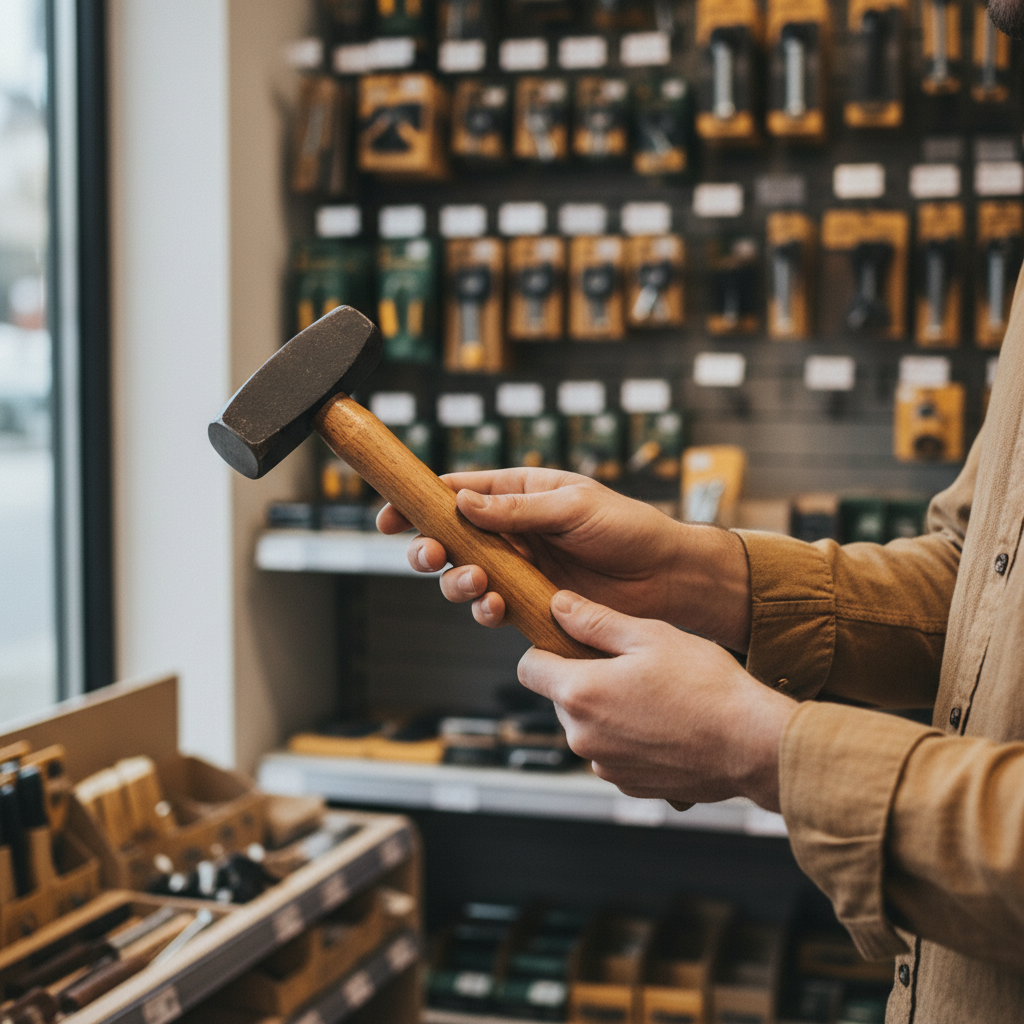
Building a comprehensive stock of emergency preparedness supplies does not require a massive upfront investment. Pre-made survival bags found at many retailers are often overpriced and filled with low quality components that may fail during actual use. A more effective strategy is the one item per trip method. By adding a single high quality tool or supply to your cart during your regular shopping, you build a robust kit over time without straining your monthly budget.
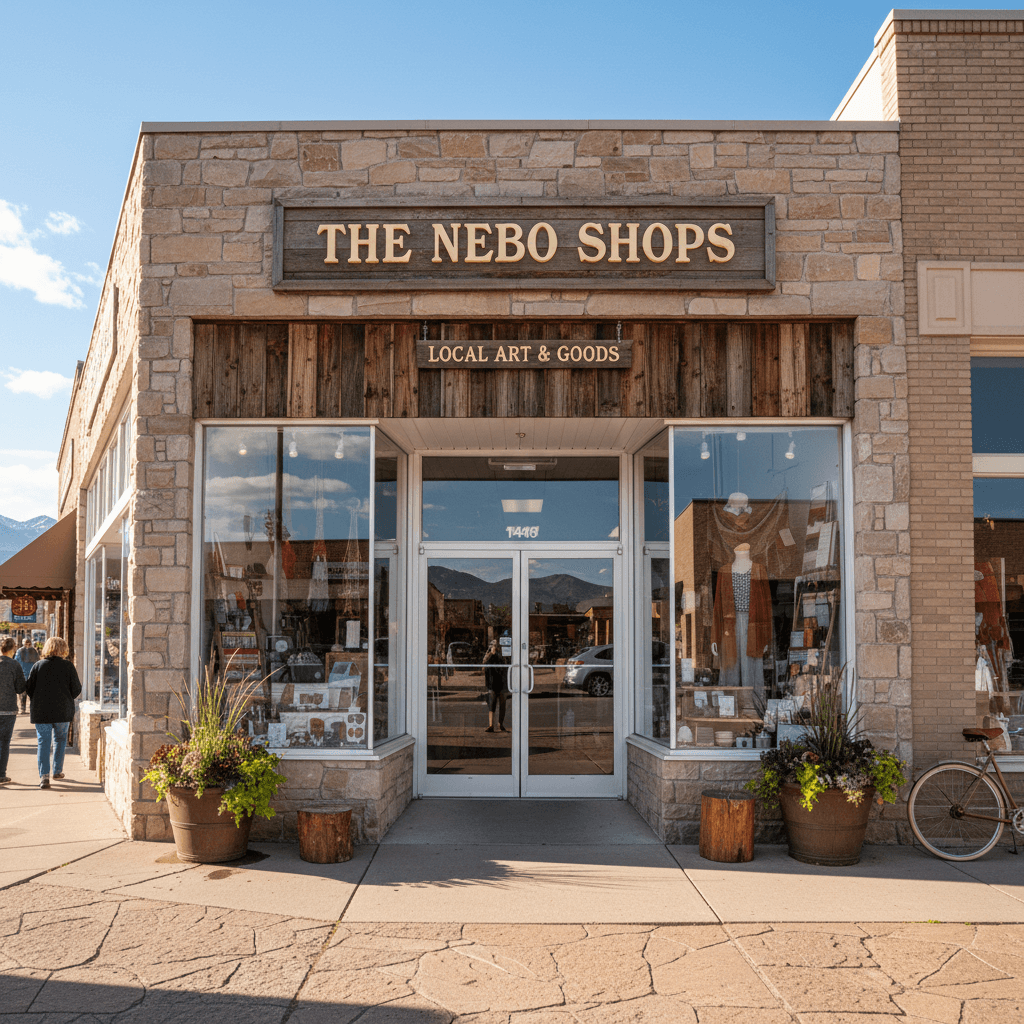
A curated retail marketplace like The Nebo Shops prioritizes items that offer utility for both crisis management and daily life. Many home essentials serve double duty. For instance, heavy duty duct tape and thick plastic sheeting are staples for home repairs and winterizing; they are also fundamental for creating a temporary shelter or sealing a room against external contaminants. Similarly, a high quality wrench used for a routine plumbing fix is the same tool needed to shut off a gas line after an earthquake.
Focusing on individual, high value items ensures you know exactly how each piece of equipment works before you need it. Unlike the cluttered aisles of big box retailers, a specialized local shop offers transparent pricing and a selection filtered for quality. This approach eliminates the fluff of unnecessary gadgets and ensures every dollar spent contributes to real household resilience. By integrating these purchases into your routine, you transform emergency readiness from a daunting expense into a manageable part of responsible home ownership in Nephi.
Maintenance and Storage: Keeping Your Supplies Ready
Emergency preparedness supplies only provide security if they are operational at the moment of crisis. Longevity requires a disciplined rotation schedule rather than a set and forget mentality. Utah homeowners often find that General Conference weekends serve as ideal markers for these biannual audits. During these checks, replace expiring food, rotate water jugs, and verify that batteries stored in their original packaging remain leak free. Maintaining this cycle is the most effective way to ensure you can survive three days without electricity when a winter storm disrupts local utilities.
Proper storage is equally critical for preserving the integrity of your home essentials. Keep your kit in a cool, dry location shielded from direct sunlight. Avoid uninsulated garages in Juab County, as Nephi’s extreme seasonal temperature fluctuations can degrade plastic containers and shorten the lifespan of medications. Use clearly labeled, easy to carry bins and ensure every family member, including children, knows exactly where the supplies are located. A well organized kit from a curated retail marketplace is only as good as your ability to access and use it under pressure.
Frequently Asked Questions About Home Emergency Kits
Addressing logistical details ensures your strategy covers more than just hardware. A common framework for quick evacuation is the 5 P's of emergency preparedness: People and pets, Prescriptions including a seven day supply, Papers like insurance and ID, Personal Needs such as hygiene and cash, and Priceless Items like photos or small heirlooms. Organizing your storage around these categories speeds up decision making when time is limited.
For families with children, a school based kit should be compact and focused. A girl’s school emergency kit should include feminine hygiene products, a fresh pair of socks for wet weather, and a card with physical contact information for local and out of state relatives. In the classroom or at home, a manual can opener is one of the most overlooked emergency preparedness supplies. Without electricity, an electric opener is useless; even high quality home essentials are inaccessible if you cannot open the container. Sourcing these specialized tools through a curated retail marketplace ensures you have durable, reliable equipment when every minute counts.
Building a reliable emergency kit for your Utah home is one of the most proactive steps you can take for your family. By focusing on essential water, food, and communication tools, you create a foundation of safety that provides peace of mind during unexpected events. If you want expert help tailoring a plan specifically for your household needs, our team is ready to guide you. You can learn more about our shop and how we help neighbors stay prepared and secure throughout the year.