Beginners can master easy home repairs by learning to fix leaky faucets, patch drywall holes, and unclog drains with basic household supplies. These simple maintenance tasks save homeowners significant time and money; they also provide the foundation for maintaining a property without the need for professional contractors.
A dripping faucet or a sticking door can be more than just a minor annoyance; these issues often signal a lapse in home maintenance that could lead to escalated costs if left unaddressed. Many homeowners hesitate to execute these repairs themselves for fear of causing further damage or using inadequate tools. However, mastering basic repairs is about more than just saving on labor fees. It is about taking command of your living environment and ensuring every component of your residence functions with mechanical precision. In this guide, we will provide expert instructions on resolving common issues like leaky faucets, running toilets, and compromised drywall. You will also learn how to maintain hinges and clear drains using sustainable methods. Finally, we will outline the essential supplies needed to build a professional grade toolkit that ensures you are always prepared for the next project.
Why Mastering Easy Home Repairs is the Ultimate Homeowner Skill
Owning a home in Nephi often means dealing with small, nagging issues that do not justify a three hundred dollar service call. While many beginners ask, "What are some easy home repairs I can do myself?", the answer is more about building confidence than memorizing a thousand page manual. Most common household problems, from dripping faucets to loose door strikes, do not require a professional contractor or a specialized degree. Learning to handle these yourself provides immediate cost savings and a sense of self reliance that is invaluable for any resident.
The challenge for most people is not a lack of ability, but a lack of focus. Big box retailers often provide overwhelming aisles of specialized equipment that most homeowners will never use. At The Nebo Shops, we curate our inventory to include only high impact, low difficulty tools. We want to help you build a new homeowner essentials checklist that focuses on quality over quantity. By selecting the right first home workshop essentials, you can avoid the frustration of cheap tools that fail during their first use. Mastering these basics ensures your home remains efficient and well maintained without the stress of managing a rotating door of contractors.
How to Stop a Leaky Faucet and Save Water
A dripping faucet is one of the most common easy home repairs, yet it wastes gallons of water every week. Before reaching for a wrench, you must identify your faucet type. Compression faucets are traditional fixtures where you physically tighten the handle to stop the flow. These usually rely on a simple rubber washer that compresses against a metal seat. In contrast, cartridge faucets, often found in newer Nephi homes, use a single internal sleeve to control water flow and temperature.
To begin, shut off the water valves beneath the sink and plug the drain with a rag to prevent small screws from disappearing. You will need a few items from your new homeowner essentials checklist, specifically an adjustable wrench, a screwdriver, and a replacement washer or O-ring. Remove the decorative cap on the handle, unscrew the handle itself, and use your wrench to loosen the packing nut.
Instead of purchasing a generic repair kit that often contains ill-fitting parts, remove the worn washer or cartridge and inspect it for a model number or specific shape. Bringing the physical part with you ensures you get a match that actually seals the leak. If the faucet still drips after replacing the washer in a compression model, the valve seat may be corroded; this is a common issue in areas with high mineral content in the water. Once the new part is seated, tighten the packing nut firmly but avoid over-tightening, which can damage the new seal. You can browse our shop for professional-grade wrenches that provide the precise grip needed for these delicate adjustments.
Fixing a Running Toilet to Improve Home Efficiency
While a leaky faucet is a nuisance, a running toilet can silently increase a monthly water bill. This is one of the most impactful easy home repairs because it directly affects home efficiency and prevents thousands of gallons of wasted water. Most issues stem from three primary components: the flapper, the fill valve, or the float arm. The flapper is the rubber seal at the bottom of the tank; the fill valve controls water entry; and the float arm tells the valve when the tank is full.
To determine if the flapper is the cause, drop a few drops of food coloring into the toilet tank and wait twenty minutes without flushing. If color appears in the bowl, the flapper is leaking and needs replacement. In Nephi, the high mineral content in our water leads to significant hard water buildup. This scaling causes rubber seals to become brittle and valves to clog prematurely. When selecting parts, look for chlorine resistant rubber flappers and heavy duty fill valves specifically designed for hard water environments. These high quality components resist the degradation that typically plagues standard plastic kits. You can browse our shop for reliable replacement parts that stand up to local water conditions. Ensuring these components are part of your new homeowner essentials checklist prevents a simple maintenance task from turning into an expensive plumbing emergency.
Patching Drywall Dents and Small Holes Like a Pro
While plumbing issues demand immediate attention to prevent damage, wall repairs are essential for maintaining your home's aesthetic value. Patching drywall is one of the most common easy home repairs, yet it is often the one where beginners rush and end up with visible bumps. The method you choose depends on the size of the damage. For small nail holes, a simple lightweight spackle works best. For larger dents or holes caused by door handles, you will need a self adhesive mesh patch to provide structural support before applying compound.
Achieving a professional finish requires a technique called feathering. Using a 3 inch putty knife, apply the spackle over the hole and then pull the knife outward toward the undamaged wall. By decreasing pressure as you move away from the center, you create a tapered edge that disappears once painted. If the repair is still visible after the first pass, apply a second thin layer rather than one thick, heavy application that is prone to cracking.
Success in drywall repair comes down to patience and the right materials. Your new homeowner essentials checklist should prioritize a flexible putty knife and fine-grit sandpaper, typically 220 grit. Coarse sandpaper is too aggressive and will tear the drywall paper, ruining the repair. Once the spackle is completely dry, a light, circular sanding motion will level the surface perfectly. You can browse our shop for the specific grits and high quality knives that make these aesthetic fixes look like they were done by a contractor. This level of detail ensures your first home workshop essentials are used to their full potential.
Silence Squeaky Hinges and Fix Sticking Doors
Nephi's seasonal temperature swings often lead to wood doors swelling or hinges loosening as the house frame shifts. These issues are common easy home repairs that maintain your home’s functionality and peace of mind. To silence a persistent squeaky hinge, avoid generic household oils that eventually attract dust and create grime. Instead, use a high quality silicone spray or white lithium grease. Simply remove the hinge pin, wipe it clean, apply a light coat of lubricant, and reinsert it.
If a door sticks or fails to latch, the culprit is often a loose strike plate or sagging hinge. Before replacing hardware, try tightening the existing screws. If the screws spin without gripping, the wood hole is likely stripped. You can fix this by inserting a toothpick dipped in wood glue into the hole, snapping it off flush, and then driving the screw back in. The toothpick provides fresh wood for the screw to bite into. Having a reliable multi-bit screwdriver and wood glue on your new homeowner essentials checklist ensures you are ready for these seasonal adjustments. You can browse our shop for professional grade lubricants and drivers that make these tasks effortless.
Unclogging Drains Without Harsh Chemicals
Moving from hardware adjustments to plumbing maintenance, slow-moving drains are one of the most frequent easy home repairs you will encounter. While many homeowners reach for harsh chemical cleaners, these liquids often fail to reach the obstruction and can damage older pipes. Instead, a mechanical approach is far more effective and safer for your plumbing system.
Start with a dedicated sink plunger; these have a flat rim unlike the flanged versions used for toilets. To create the necessary pressure, fill the sink with an inch of water and block the overflow hole with a damp rag to prevent air from escaping. For bathroom sinks where hair is the primary culprit, a plastic zip-strip or flexible drain snake is indispensable. These thin, serrated tools reach past the pop-up stopper to snag and pull out hair clogs that chemicals simply cannot dissolve.
For deeper obstructions, a manual hand snake allows you to clear the P-trap without an expensive service visit. Including a manual hand snake in your first home workshop essentials can prevent 90 percent of professional plumbing calls for bathroom sinks. You can browse our shop for professional-grade drain tools that provide the leverage and reach needed for a clean result every time. By avoiding caustic chemicals and using the right physical tools from your new homeowner essentials checklist, you protect your pipes and your budget.
Building Your Beginner DIY Supply Kit
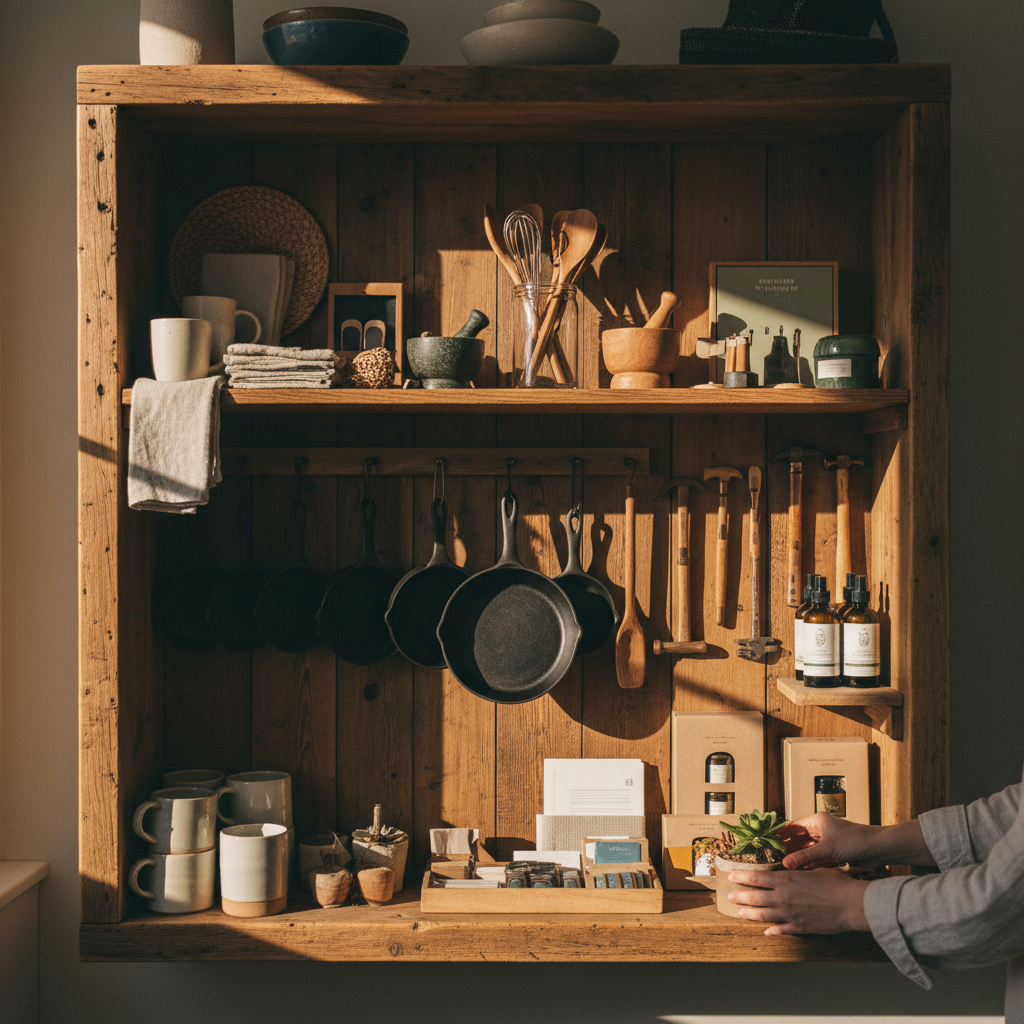
Transitioning from physical drain clearing to maintaining a full household requires consolidating these specific tools into a reliable starter kit. Many large retailers sell pre-packaged sets that contain dozens of low grade pieces; however, The Nebo Shops prioritizes quality over quantity to help you avoid the common trap of tools breaking during their first use. A concentrated kit of high grade essentials is far more effective for handling easy home repairs than a bin of flimsy substitutes.
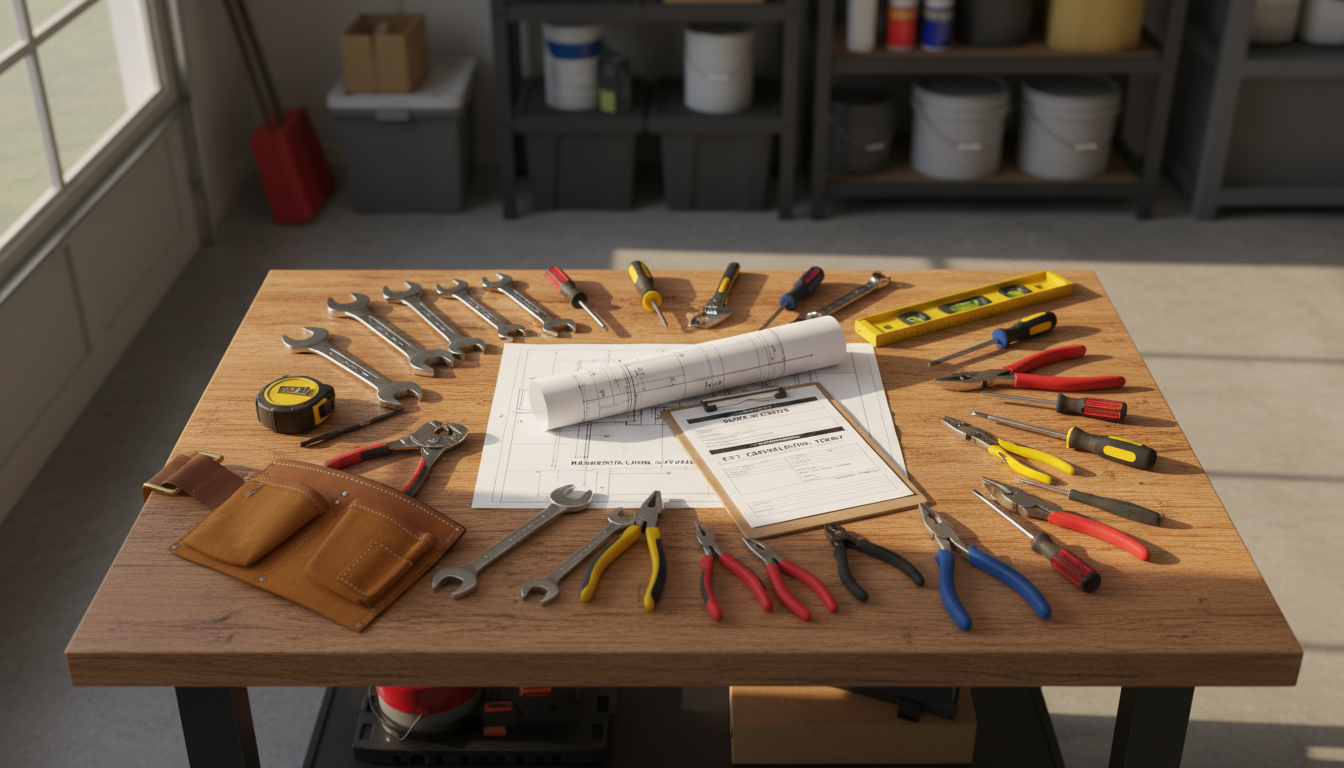
Your first home workshop essentials should include: - Multi-bit Screwdriver: Covers both Phillips and flat head needs for hinges and faucet handles. - Adjustable Wrench: Crucial for plumbing nuts and bolts without damaging the finish. - 3 inch Putty Knife: Necessary for smooth drywall patching and feathering. - Utility Knife: Used for trimming plumbing washers, cleaning out debris, or scoring drywall. - Measuring Tape: Vital for ensuring replacement parts and patches fit correctly.
When deciding which projects to tackle first on your new homeowner essentials checklist, always prioritize safety and water issues. A running toilet or a slow leak causes structural damage and wastes money, while a sticking door can be a safety hazard. You can browse our shop to find curated, durable versions of these tools that provide the precision needed for a professional result.