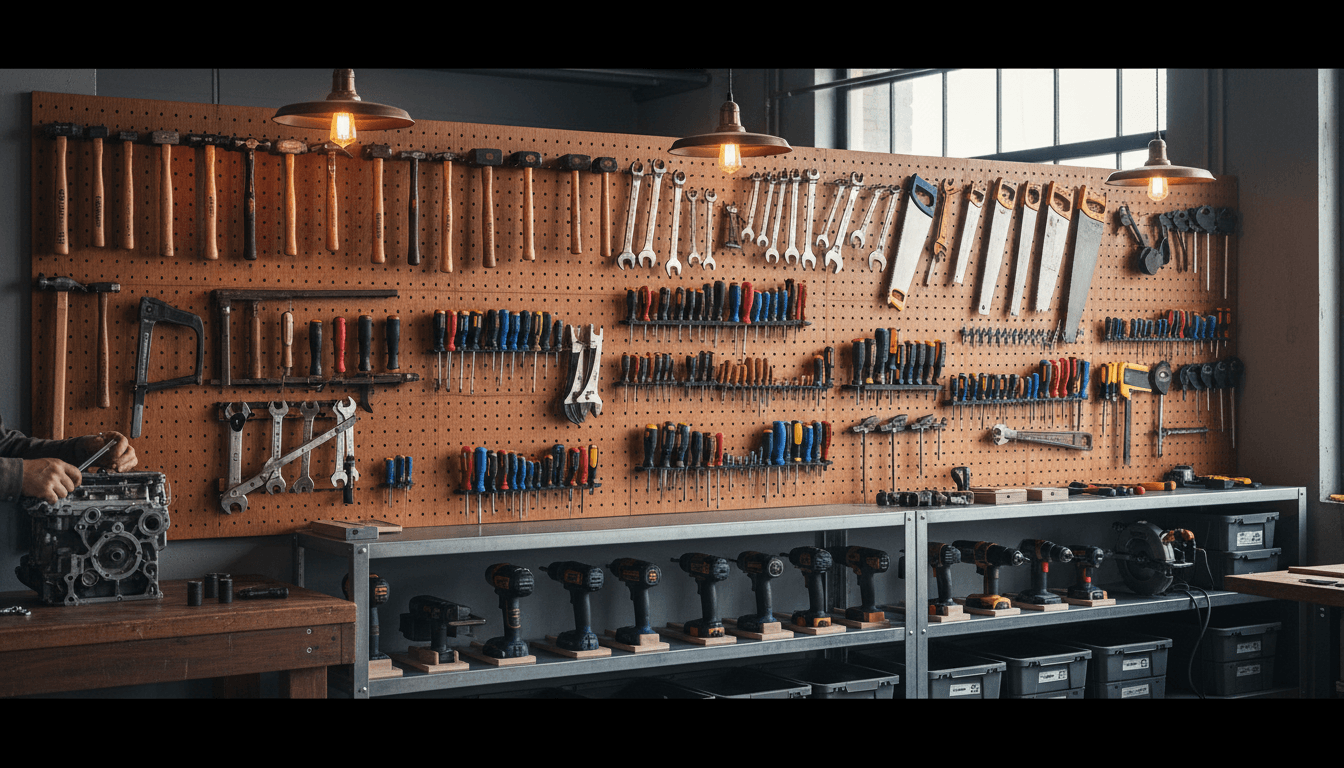
The first home workshop essentials include versatile tools such as a power drill, a miter saw, and a sturdy workbench to handle most DIY tasks. Organizing the space with proper lighting, storage bins, and accessible electrical outlets ensures a safe and efficient working environment. Focusing on these foundational items allows beginners to build a functional shop on a budget while maintaining the flexibility to expand for specialized projects.
There is a distinct, recurring frustration in realizing a simple household repair requires a tool you simply do not own. You likely have a cluttered drawer filled with mismatched screwdrivers and a rusted hammer, yet these often fail when a real project arises. Establishing a dedicated workshop is not an indulgence reserved for the professional contractor; it is a fundamental requirement for maintaining a modern home with precision. A well-organized repair hub saves time, reduces stress, and ensures that every fix is permanent rather than a temporary patch. In this guide, we will identify the core ten hand tools every beginner needs and discuss why a drill and impact driver duo is your most critical investment. You will also learn how to optimize your garage space on a budget and select the safety gear that ensures your DIY journey remains productive and injury-free.
Building Your First Home Workshop: Why Every Home Needs a Repair Hub
Many homeowners view a workshop as the exclusive domain of master woodworkers or professional mechanics. In reality, a dedicated repair hub is a practical necessity for every household in Nephi. It marks the difference between feeling overwhelmed by a growing list of household repairs and being fully prepared for routine maintenance. When you have a designated space to work, you eliminate the time wasted searching for a stray screwdriver or clearing off the kitchen table just to tighten a loose hinge.
The philosophy at The Nebo Shops centers on prioritizing quality, usefulness, and value over the sheer volume of equipment. It is common for big-box retailers to push massive, expensive tool kits filled with specialized items you may never touch. We advocate for a curated approach, focusing on everyday essentials that handle ninety percent of common home tasks. By investing in specific, reliable tools rather than generic bundles, you ensure every dollar spent contributes to the longevity of your property.
Establishing your first home workshop essentials does not require a massive budget or a full garage renovation. It requires a commitment to organization and a few high-quality basics. Having this resource at your fingertips saves significant money on professional service calls and empowers you to keep your home in top condition year-round.
The Core 10: Essential Hand Tools for Every Beginner Workshop

Starting your collection requires focus. Rather than buying a pre-packaged set of fifty items that may sit idle for years, begin with these ten high-utility hand tools. These items form the backbone of any functional space and cover the vast majority of first home workshop essentials.
A 16oz claw hammer: This is the standard weight for versatility. It provides enough heft to drive a nail into a wall stud while remaining light enough for precision tasks, such as tapping a finishing nail into a picture frame.
A 25ft locking tape measure: A length of 25 feet is necessary for measuring larger spaces like a kitchen floor or a backyard fence line. The locking mechanism ensures you can accurately mark dimensions without the tape retracting mid-measurement.
A multi-bit screwdriver set: Instead of a dozen individual tools, a multi-bit set keeps your workspace organized. Use it to tighten a loose cabinet hinge or quickly swap bits to remove the cover plate from an electrical outlet.
An adjustable wrench: This eliminates the need for a full set of fixed wrenches for basic plumbing or mechanical work. It is the perfect tool for tightening a bolt on a lawnmower or a loose nut on a bicycle seat.
Needle-nose pliers: These are designed for precision and reaching into tight spaces. They are essential for bending wire or retrieving a dropped screw from behind a heavy appliance.
A utility knife with replaceable blades: A sharp blade is safer and more efficient than a dull one. Use this for breaking down recycling boxes or trimming excess material from a weather-stripping project.
A torpedo level: A small level is indispensable for ensuring your home stays visually balanced. Use it when hanging Utah-themed metal art or aligning a set of floating shelves in the living room.
A set of Allen wrenches: These L-shaped hex keys are the only way to tighten the hardware on most flat-pack furniture or adjust the tension on a computer monitor mount.
A putty knife: This serves as both a spreader and a scraper. It is the go-to tool for applying wood filler to a dented door frame or scraping dried paint drips off a window pane.
A basic handsaw: Sometimes a quick manual cut is more efficient than setting up a power tool. A handsaw is ideal for trimming a piece of molding or cutting a wooden garden stake to length.
By focusing on these everyday essentials, you build a foundation based on utility. These tools allow you to address immediate problems without the clutter of a poorly curated kit.
The Power Duo: Investing in a Drill and Impact Driver
Transitioning from hand tools to power tools can be intimidating due to the high cost of multi-tool kits. Avoid the temptation to buy a massive bundle; many of those specialized saws and sanders will sit idle for years. Instead, focus your investment on the power duo: a cordless drill and an impact driver.
A standard drill is designed for precision and rotational speed, making it the correct choice for boring holes in wood, metal, or masonry. In contrast, an impact driver uses a high-torque internal mechanism to provide sudden bursts of force. This makes it superior for driving long screws into dense materials, like framing studs or deck boards, without stripping the screw head or stalling the motor. Having both tools allows you to drill a pilot hole with one and drive the screw with the other, significantly speeding up any assembly task.
For these first home workshop essentials, a cordless system is non-negotiable for accessibility and ease of use. Choosing a reputable brand with a shared battery platform is a strategic move for long-term value. Once you own the batteries and a charger, you can add tool-only versions of other equipment later for a fraction of the cost. We emphasize these everyday essentials because they provide the versatility needed for the majority of household tasks without the clutter of unnecessary machinery.
Setting Up Your Space: Garage Workshop Ideas on a Budget

Building a functional space does not require a contractor or a massive renovation budget. The cheapest way to build a workshop is to focus on maximizing an existing corner of your garage or garden shed. Dedicating even a four by six foot area allows you to centralize your tools and creates a mental boundary for projects.
The center of any workspace is the workbench, but you do not need to spend four figures on a professional table. A pair of sturdy sawhorses paired with a thick sheet of three quarter inch plywood provides a stable, heavy duty surface for a fraction of the cost. This setup is particularly effective for those just starting with first home workshop essentials because it is modular; if you need the floor space back, the bench can be disassembled in minutes.
Lighting is the most overlooked low cost upgrade. Standard garage bulbs often leave dark spots that make precision work difficult and dangerous. Installing linkable LED shop lights provides high output illumination for very little investment. Ensure your chosen corner has easy access to a grounded electrical outlet to avoid tripping over long extension cords.
In Nephi, our local climate poses a specific challenge for tool longevity. Cold, fluctuating temperatures during Utah winters can lead to condensation and rust on metal surfaces. Store your everyday home goods and precision tools in sealed plastic bins or treated cabinets to protect them from moisture. Keeping your gear dry and clean is a zero cost way to ensure your investment lasts for decades.
Workshop Supplies You Forget to Buy (But Always Need)
Once the workbench is built and the tools are stored, a workshop often remains non-functional until you stock up on consumables. These are the items that get used up or left behind in the final product. A workshop without a supply of wood glue, sandpaper, and lubricants is like a kitchen without salt or oil; you can have the best equipment, but you cannot finish the job.
Stocking your first home workshop essentials should include a variety pack of sandpaper ranging from 60 to 220 grit to handle everything from rough lumber to smooth finishing. Keep both duct tape for heavy duty repairs and painter's tape for delicate masking. A small, partitioned organizer with an assortment of common screws and nails prevents mid-project trips to the store for a single fastener.
Item | Practical Use |
|---|---|
Wood Glue | Creating structural bonds for furniture and trim |
WD-40 | Loosening rusted bolts and protecting metal surfaces |
Duct Tape | Emergency sealing and heavy duty bonding |
Assorted Fasteners | Replacing missing screws or hanging hardware |
We prioritize these everyday essentials because we understand that convenience depends on having these small items within reach. A simple can of WD-40 is particularly vital for the climate concerns mentioned earlier, as it helps displace moisture and prevent rust on your tools during cold Utah months. Having these supplies on hand ensures that your momentum isn't broken by a missing five-cent component.
Safety First: The Non-Negotiable Workshop Gear
Proper workshop management requires prioritizing your physical well-being alongside your equipment. Safety gear is often overlooked when listing first home workshop essentials; however, it is the most valuable investment you will make. High-quality protection acts as an affordable insurance policy against accidents that could lead to costly medical bills or lost time.
Focus on three non-negotiable items for your setup: 1. Wrap-around safety glasses: These provide more than simple frontal protection. They shield your eyes from lateral debris, such as wood chips or metal shards, that can bypass standard spectacles. 2. Ear protection: Enclosed garage spaces amplify the high-decibel noise of power drills and impact drivers. Using foam plugs or over-ear muffs prevents hearing fatigue and long-term damage. 3. A basic first aid kit: Keep this mounted in a visible, accessible spot. It should be stocked with various bandage sizes, antiseptic wipes, and precision tweezers for splinter removal.
Investing in these everyday essentials for personal protection ensures that a weekend project remains a success rather than a hazard.
How to Build Your Tool Collection Without Overspending
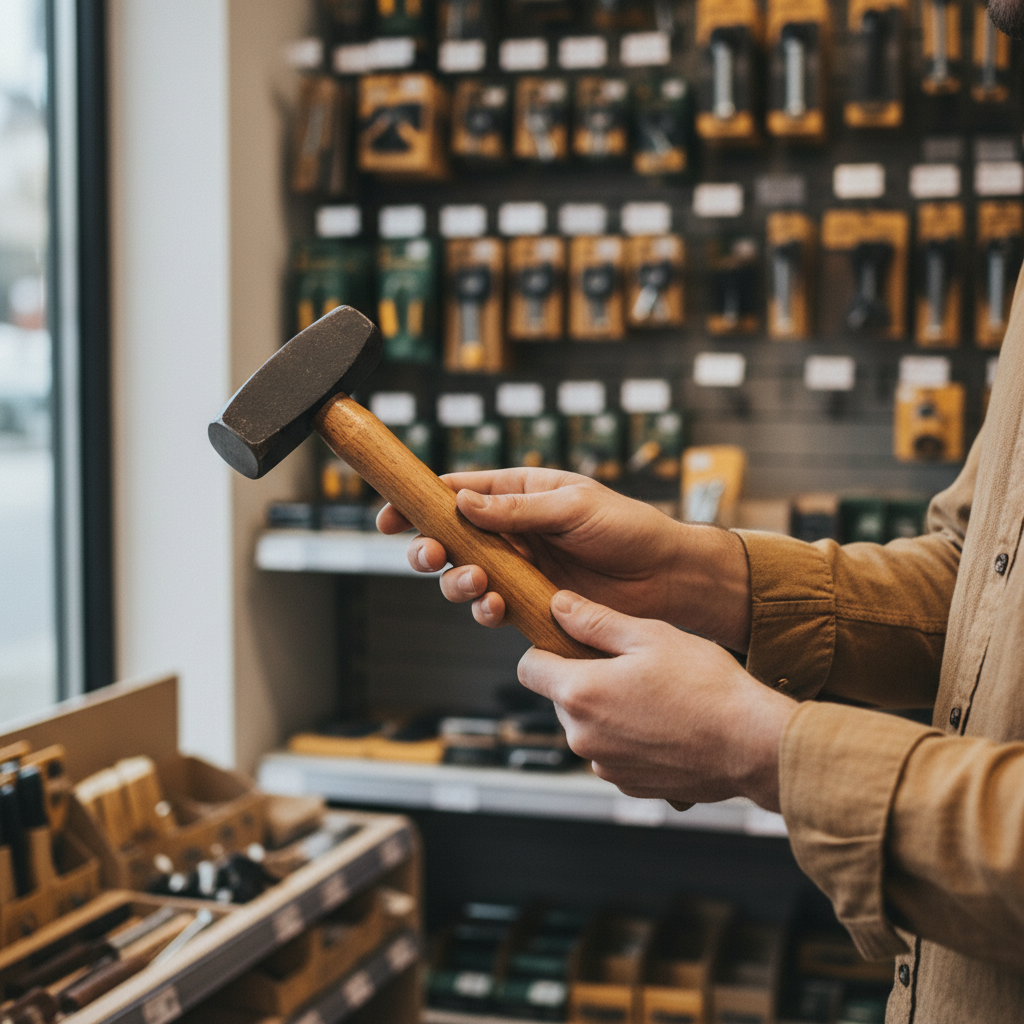
Building a complete toolkit is a marathon, not a sprint. The most effective way to manage your budget is through phased purchasing. Instead of buying an exhaustive kit on day one, start strictly with the Core 10 hand tools. These first home workshop essentials allow you to tackle immediate maintenance without a large upfront investment. As specific projects arise, such as building a raised garden bed or repairing a fence, you can add power tools or specialty hardware to your collection.
Avoid the temptation of value packs at massive retailers, which often prioritize quantity over structural integrity. A tool that fails during its first use is a liability, not a saving. Curated retailers like The Nebo Shops focus on everyday essentials that have been vetted for durability and practical application. By selecting tools based on their specific utility rather than their inclusion in a bundle, you build a high performance shop that reflects your actual needs. If you have questions about which tool to prioritize for your next project, Contact us to discuss the best options for your specific repair goals.