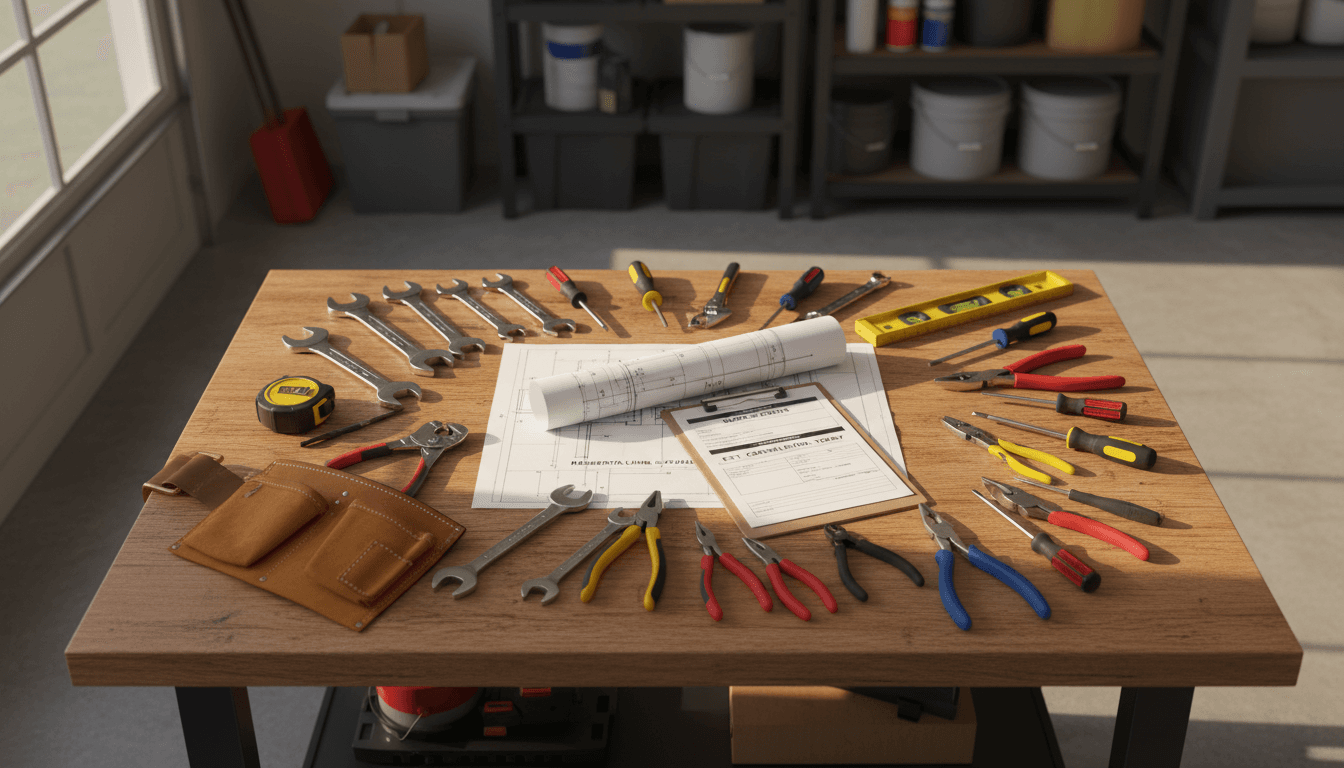
Effective garage tool organization requires a mix of vertical wall systems, stackable bins for small parts, and categorized cabinets to maximize available space. Implementing simple solutions like rubber drawer liners and clear labeling creates an efficient, budget-friendly environment that keeps essential equipment easily accessible for any project.
Walking into a cluttered garage often feels more like navigating an obstacle course than entering a productive workspace. Every minute spent rummaging through overflowing bins or searching for a misplaced socket wrench is time stolen from the projects that actually matter. A disorganized garage does more than just slow you down; it degrades your tools and diminishes the satisfaction of craftsmanship. By implementing a deliberate system, you transform a chaotic storage area into a high functioning shop where every piece of equipment has a dedicated home. In this guide, we will walk through a practical approach to mastering your environment. You will learn how to execute an effective purge, establish a strategic zone system, and utilize budget friendly DIY solutions. From managing power tools to preparing your space for the unique demands of Utah weather, this system ensures your garage remains an asset rather than a liability.
The Challenge of Garage Tool Storage: Why a System Beats a Mess
Walking into a cluttered garage to start a project only to spend thirty minutes hunting for a specific wrench is a universal frustration. It stalls progress and turns a simple repair into a chore. True garage tool organization is not about installing expensive, floor to ceiling custom cabinets that look like a showroom. Instead, a functional system relies on three core principles: visibility, accessibility, and logical grouping. You need to see what you have, reach it without moving three other items, and find it where it logically belongs.
At The Nebo Shops, our approach centers on straightforward utility. As a curated retail marketplace, we focus on providing everyday essentials and quality tools that serve a clear purpose. For Utah homeowners, the garage is rarely just a parking space. In Nephi, it is the central hub for home maintenance, DIY projects, and storing the outdoor recreation gear that defines our lifestyle. When your tools are buried, those activities become burdens. Establishing a budget friendly system ensures that your space remains a productive asset rather than a storage locker for clutter. Efficiency starts with recognizing that the best tools are the ones you can actually find when the work needs to get done.
Start with a Purge: How to Organize a Garage with Lots of Tools

Building on the idea that efficiency begins with accessibility, the first physical step is clearing the floor to see what you actually own. To effectively answer how to organize a garage with lots of tools, you must first confront the volume of items through a rigorous purge. The most effective approach is the three pile method: Keep, Donate, and Trash. If a tool is rusted beyond safety or mechanically broken, it belongs in the trash. If you have three identical hammers or a specialty tile saw you have not touched since a single project years ago, place them in the donate pile.
The cheapest way to improve your garage tool organization is to remove the inventory you do not use. Reducing the sheer number of items lowers the cost of necessary storage bins and shelving while immediately increasing the speed of your workflow.
Once your Keep pile is finalized, avoid the common mistake of grouping tools solely by their size. Instead, categorize them by frequency of use. Differentiate your everyday essentials and quality tools, such as screwdrivers, tape measures, and utility knives, from your project based tools. Project based items, like circular saws, specialty automotive wrenches, or heavy duty sanders, should be grouped together but placed in secondary storage locations. By separating the tools you reach for weekly from the ones you use twice a year, you ensure that your most frequent tasks are never delayed by a search through specialty gear. This logical grouping sets the stage for a zone based layout that maximizes every square inch of your workspace.
The Zone System: Maximizing Space in a Small Garage
Organizing a small garage requires moving beyond horizontal thinking. When floor space is limited, the primary mistake is trying to fit everything within a six foot reach. Implementing a Zone System allows you to categorize tools based on access frequency while reclaiming valuable square footage. This method is particularly effective for Nephi residents who must balance home maintenance tools with outdoor gear in a confined area.
Zone 1 is your Workstation. This is the immediate area around your workbench where you keep your daily drivers. Reserve this space for items used in nearly every project, such as your everyday essentials and quality tools. By keeping these within arm's reach, you eliminate the need to step away from your project to find a basic utility knife or tape measure.
Zone 2 focuses on Wall Storage. Vertical space is the most underutilized asset in a small Utah garage. Instead of leaning items against the wall or stacking bins, install pegboards or slatwall systems to create a Wall of Fame. The strategy here is simple: place your most frequently used hand tools, like screwdrivers, pliers, and wrenches, exactly at eye level. Tools used less often go higher or lower on the wall, but the eye level real estate is reserved for the essentials you need to grab instantly.
Zone 3 is Overhead Storage. Utilize the space above the garage door or high mounted shelves for seasonal items. This keeps bulky, lightweight items like camping coolers or holiday bins off the floor and out of the way until they are needed.
Zone 4 is dedicated to Floor Storage. This should be strictly reserved for heavy equipment that is impractical or unsafe to hang, such as large air compressors, lawn mowers, or heavy duty rolling cabinetry.
By segmenting the garage this way, you ensure that every square inch serves a purpose. A small space only feels cramped when the layout lacks logic. When you prioritize verticality and eye level access, you stop shuffling boxes and start finishing projects.
Budget-Friendly DIY Garage Tool Organization Hacks

Transitioning from a zone based layout to actual storage does not require a large capital investment. The cheapest way to store tools is to repurpose materials you likely already have in your shop or can source for a few dollars. Successful garage tool organization diy projects focus on simple physics rather than aesthetic branding.
For long-handled items like shovels, rakes, and brooms, use PVC pipe offcuts. Cut four-inch sections of PVC at a slight angle and screw them directly into the wall studs in your secondary storage zones. This creates a secure holster that prevents tools from tipping over or cluttering the floor. To handle smaller metal items, mount magnetic tool strips above your workbench. These strips are ideal for holding drill bits, hex keys, and small wrenches, keeping them visible and off the primary work surface.
Repurposing glass jars or clear plastic food containers for hardware is another effective low cost strategy. Screwing the lids to the underside of a shelf allows you to twist the jar off to access screws or nails, effectively utilizing the dead space between shelves. For those using entry-level metal toolboxes, a common frustration is tools sliding to the back every time a drawer is opened. A practical fix is installing rubber shelf liners inside each drawer. These liners provide enough friction to keep your everyday essentials and quality tools in their designated spots; this simple addition protects the tool finish and maintains the organizational system you worked hard to establish. By sourcing these solutions locally or through a curated retail marketplace, you build a professional-grade setup without the professional-grade price tag. This DIY approach ensures that every dollar spent goes toward the quality of the tool rather than the container holding it.
How to Organize Garage Hardware and Power Tools

Transitioning from basic storage to inventory management requires a focused approach for hardware and power tools. These items often create the most visual noise and physical clutter in a workspace. To effectively answer how to organize garage hardware, prioritize visibility. Clear, stackable bins are superior to opaque drawers because they allow you to verify quantities of nails, bolts, and washers at a glance. Detailed labeling is non negotiable; specifying the exact length and thread of fasteners prevents the frustration of testing three different screws during a project.
Power tools present a different challenge. Many homeowners keep drills and saws in their original, blow molded plastic cases. While these are useful for transport, they are significant space wasters in a stationary garage. Stacking these cases creates a layout that is difficult to navigate. Instead, move your power tools to open shelving or custom sized cubbies. This makes them instantly accessible and frees up shelf depth.
To complete the system, establish a dedicated charging station. Mounting chargers and power strips in one central location prevents batteries from migrating across your workbench. Keeping your everyday essentials and quality tools powered and ready for use is a hallmark of the curated retail marketplace approach to utility. By centralizing these high use items, you ensure the workflow remains uninterrupted by a dead battery or a missing charger.
Seasonal Rotation: Adapting Your Garage for Utah Weather
In Nephi, a static garage layout often fails because storage needs shift dramatically between the high-desert summers and the snow-heavy winters at the base of Mount Nebo. Effective garage tool organization requires a biannual Seasonal Swap to ensure the right gear is always at the forefront. During the October transition, move snow removal equipment, such as heavy duty shovels and ice melt spreaders, into the primary Zone 1 or Zone 2 positions near the garage door. Simultaneously, relocate your garage organization lawn tools, including string trimmers and garden hoses, to Zone 3 overhead racks or the back of deep shelving.
This rotation prevents the frustration of digging through a lawnmower and bags of fertilizer just to reach a snow shovel after a sudden overnight storm. In April, reverse the process. Take the time to clean your winter tools to prevent salt corrosion before moving them into high-level storage, bringing your gardening gear back to eye level. As a curated retail marketplace, we focus on the utility of everyday essentials and quality tools that work for the local climate. By treating your garage as a dynamic space rather than a fixed one, you maintain accessibility year-round without needing more square footage. This simple habit keeps your workstation clear and your most relevant tools ready for the immediate task at hand.
Maintenance Tips: Keeping Your System Functional Long-Term
A robust garage tool organization system fails the moment it becomes inconvenient to follow. To ensure long term functionality, implement a strict five minute reset at the end of every project. This habit involves returning every wrench, driver, and specialized gadget to its designated zone, ensuring the workstation is clear for the next task. If you find yourself hesitating to put an item away, the storage solution for that specific tool likely needs adjustment to be more accessible.
Environmental maintenance is equally critical, especially given the temperature fluctuations in Nephi. Prevent rust by managing moisture levels within your storage containers. Placing silica gel desiccant packs in tool drawers or applying a thin coat of protective oil to steel surfaces helps preserve the integrity of your everyday essentials and quality tools. As a curated retail marketplace, we emphasize that the value of a tool is tied to its condition. Regular inspections for wear and moisture buildup ensure your investment remains ready for work, rather than succumbing to the elements.